The coolest car of 2026 is not a V8 Mustang rumbling outside a café. It is not a whisper-quiet Tesla slipping past traffic like a polite ghost.
It is a sharp-edged, neon-lit time capsule that looks like a DeLorean designed after someone binge-watched retro anime and engineering documentaries in the same night.
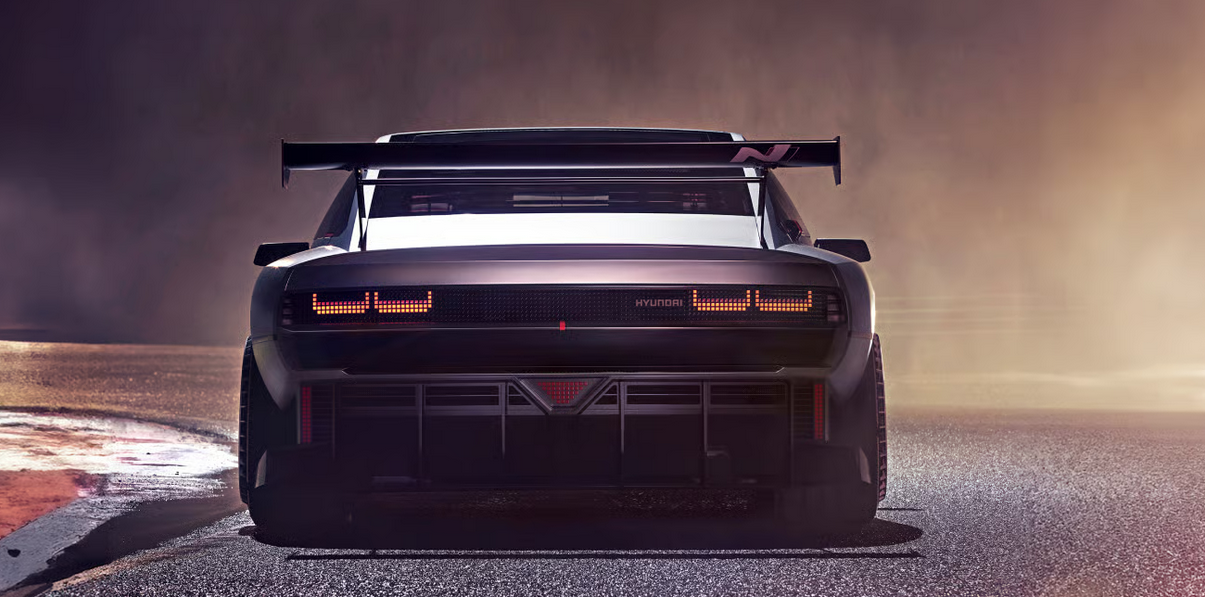
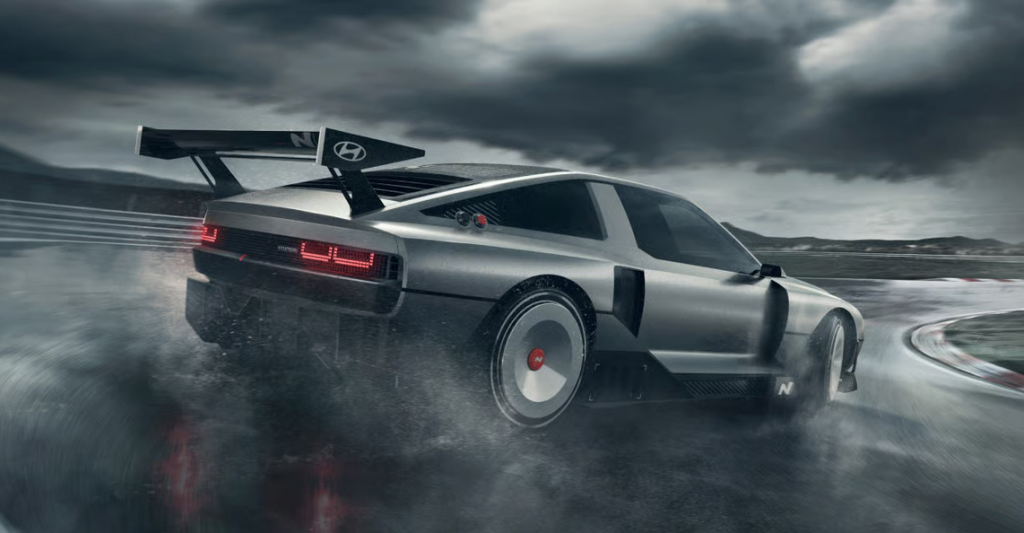
Meet the Hyundai N Vision 74. A hydrogen-electric hybrid that exists for one rebellious reason: to prove that driving fun does not have to die just because gears and gasoline are going extinct.
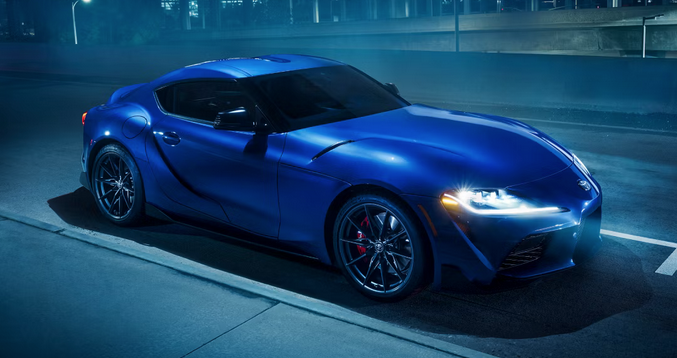
To test that claim, it goes head-to-head with a modern icon of mechanical purity, the Toyota GR Supra. One powered by algorithms and electrons, the other by fuel, fire, and decades of tradition.
This is not EV versus ICE. This is simulation versus sensation. Can software really out-soul steel?
The Tech vs. The Torch
The Hyundai: Retro-Future With Intentional Flaws
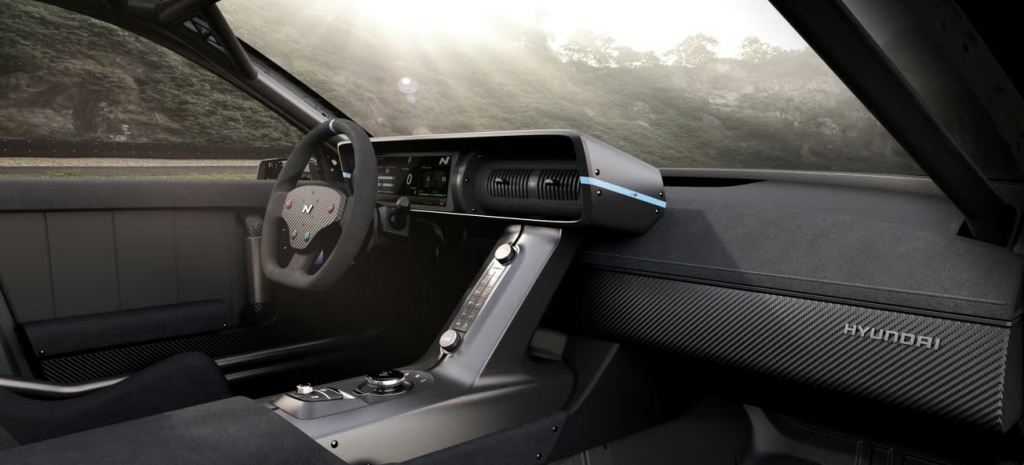
The N Vision 74’s defining feature is Hyundai’s N e-Shift system. There is no physical gearbox. No clutch pedal. No mechanical obligation to behave like an old car.
Yet it insists on doing so anyway.
Pull the paddle and the power delivery snaps like a real upshift. Torque briefly cuts. The chassis gives a sharp jolt. The digital rev counter climbs and falls with theatrical timing. Miss a shift and the car will simulate a stall, forcing you to pause, reset, and reflect on your mistakes like a driving instructor with a sense of humor.
This is not efficiency-driven engineering. This is emotional engineering. Hyundai deliberately added friction back into the experience, because friction is what makes driving memorable.
The result feels less like transport and more like a physical video game where timing, rhythm, and punishment matter again.
The Toyota: Mechanical Truth, Unfiltered
The GR Supra does not simulate anything. It does not need to.
Its BMW-sourced inline-six delivers power in a continuous, organic surge. You hear valves, exhaust pulses, and combustion events stacked on top of each other like instruments in a live band. Heat seeps into the cabin after a hard drive. Vibrations tell you exactly what the car is doing, even when that information is inconvenient.
Nothing is exaggerated. Nothing is softened. The Supra does not perform engagement. It is engagement.
This makes it feel like a last stand. One of the final sports cars where the driving experience is dictated by physics alone, not code.
The 2026 Lifestyle Factor: Why This Debate Exists
In 2026, performance numbers matter less than presence. People are no longer buying cars just to drive them. They are buying objects that represent how they see the future.
The N Vision 74 fits perfectly into a world of digital identity, night-city aesthetics, and curated experiences. It looks futuristic without being sterile. It feels experimental without being cold. It is dramatic on purpose.
The GR Supra, by contrast, appeals to nostalgia that still has bite. It represents continuity. A reminder of how cars felt before driving modes and sound generators became normal.
One fits a future shaped by software and style. The other preserves a past shaped by fuel and force.
Will the N Vision 74 Be the First “Collectible” EV?
This is where things get interesting.
Most electric cars are designed to be invisible tools. Efficient, quiet, forgettable. The N Vision 74 refuses that role. Limited production, radical design, and a driving experience built around deliberate imperfection give it something rare: long-term emotional value.
Collectors are already asking whether this could become the EV era’s poster car. Not because it is the fastest, but because it dared to feel strange, playful, and flawed in an age obsessed with smoothness.
Meanwhile, the GR Supra carries its own future value. It may be remembered as one of the last attainable inline-six sports coupes before emissions rules and electrification closed the door for good.
One car may become a symbol of beginnings. The other, a symbol of endings.
The Manual Spirit Has Evolved
The 2026 Hyundai N Vision 74 proves a controversial idea: driving engagement no longer has to come from mechanical parts alone. It can be designed, scripted, and tuned like an instrument.
The Toyota GR Supra still delivers raw truth, heat, and tradition with zero compromise. The Hyundai delivers drama, tension, and intentional resistance through code.
And that leads to the strangest conclusion of all.
The most “manual” car of 2026 does not have a clutch pedal. It has the courage to make driving difficult again.
motoring.guide is your pit stop for car news! From why your neighbour’s Myvi outruns your Ferrari to the latest car launches, test drives, and KL traffic tips, buckle up for a wild ride!